





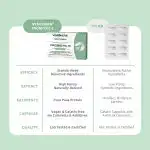
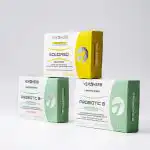
VemoHerb ProBiotiC 8 Immuno
12,90 €
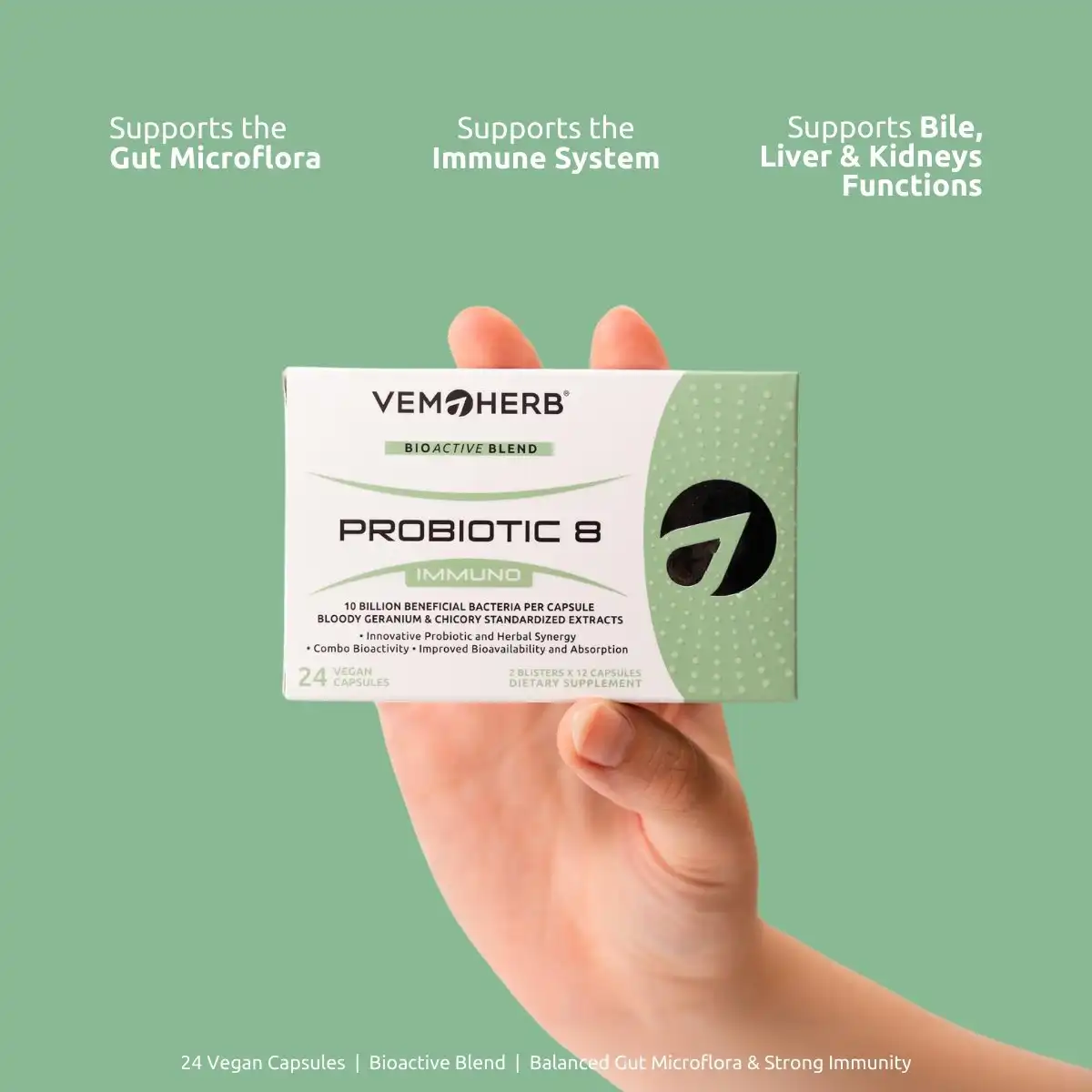
Combinazione di batteri probiotici ed estratti secchi di Cicoria e Geranio
Supporta il sistema immunitario e la microflora intestinale *
Come e perché funziona?
VemoHerb® ProBiotiC 8 Immuno:
- sostiene la microflora intestinale a favore del tuo comfort gastrico [1,12] e aiuta a mantenere un peso corporeo desiderabile * [2]
- ha un effetto benefico sul sistema immunitario [1,3] per la tua salute vitale *
- può aiutare a rafforzare il corpo durante e dopo gli antibiotici * [1]
- supporta la disintossicazione per rimuovere naturalmente le tossine * [4,14]
- favorisce le funzioni dei reni [5], del fegato [6,7,12,14] e della bile [6,7] *

VemoHerb® ProBiotiC 8 Immuno è una combinazione unica di probiotici ed estratti di erbe, che lavora in un perfetto sinergismo, a differenza della maggior parte degli integratori alimentari che contengono solo uno di questi ingredienti.
Vuoi sentirti a tuo agio in estate in spiaggia o durante le tue vacanze quando il tuo stomaco è sfidato da cibi esotici?
VemoHerb® ProBiotiC 8 Immuno, con i suoi probiotici in combinazione con l’estratto di Cicoria (Cichorium intybus), sostiene il naturale equilibrio della microflora intestinale e fornisce comfort allo stomaco. * [1,14]
Vuoi aiutare il processo di digestione?
Puoi farlo nutrendo e arricchendo il tuo corpo con i batteri benefici e i principi attivi specifici della pianta Cicoria – flavonoidi e glicosidi diidrossi cumarinici – cichoriina, esculina, esculetina presenti in VemoHerb® ProBiotiC 8 Immuno. [8]
Vuoi utilizzare un prodotto versatile e ad ampio spettro per l’uso quotidiano?
I ceppi probiotici che si completano sinergicamente in VemoHerb® ProBiotiC 8 Immuno ne ottimizzano l’effetto. Gli estratti vegetali esaltano ulteriormente l’effetto benefico del prodotto. Essendo completamente naturale e sicuro, aiuta il corpo a mantenere uno stato fisiologico ottimale per un sistema immunitario sano. * [9]
Consumate alcol e cibi pesanti? Ti chiedi se puoi fare qualcosa per sostenere il tuo fegato?
L’estratto secco di Cicoria (Cichorium intybus) supporta la normale funzione del fegato. * Nel caso in cui il tuo stile di vita includa prodotti o fattori che possono essere dannosi per il fegato, ProBiotiC 8 Immuno è una scelta perfetta per mantenerne la salute. * [6, 7,14]
Vuoi avere una forte immunità?
VemoHerb® ProBiotiC 8 Immuno combina i probiotici e l’estratto di geranio sanguinante (Geranium sanguineum), che ha proprietà antiossidanti [4] e antinfiammatorie [13]. * Queste azioni sono dovute alle sostanze biologicamente attive specifiche nella composizione dell’estratto – tannini, sesquiterpeni monociclici, glicosidi flavonoidi e composti polifenolici. VemoHerb® ProBiotiC 8 Immuno influenza positivamente il sistema immunitario. * [3]
Ad un certo punto della tua vita, hai bisogno di prendere delle medicine?
Puoi utilizzare VemoHerb® ProBiotiC 8 Immuno durante questo periodo, o subito dopo, poiché supporta la microflora intestinale e le normali funzioni del tuo fegato. * [6,7,14]
Vuoi sentirti vitale?
VemoHerb® ProBiotiC 8 Immuno aiuta il tuo corpo a mantenere normali livelli di colesterolo [10] e zucchero nel sangue. * [11]
Vuoi sentirti vigoroso?
VemoHerb® ProBiotiC 8 Immuno combina due estratti, che sono antiossidanti naturali e in questo modo aiutano i processi naturali di disintossicazione del tuo corpo. * [4]
VemoHerb® ProBiotiC 8 Immuno:
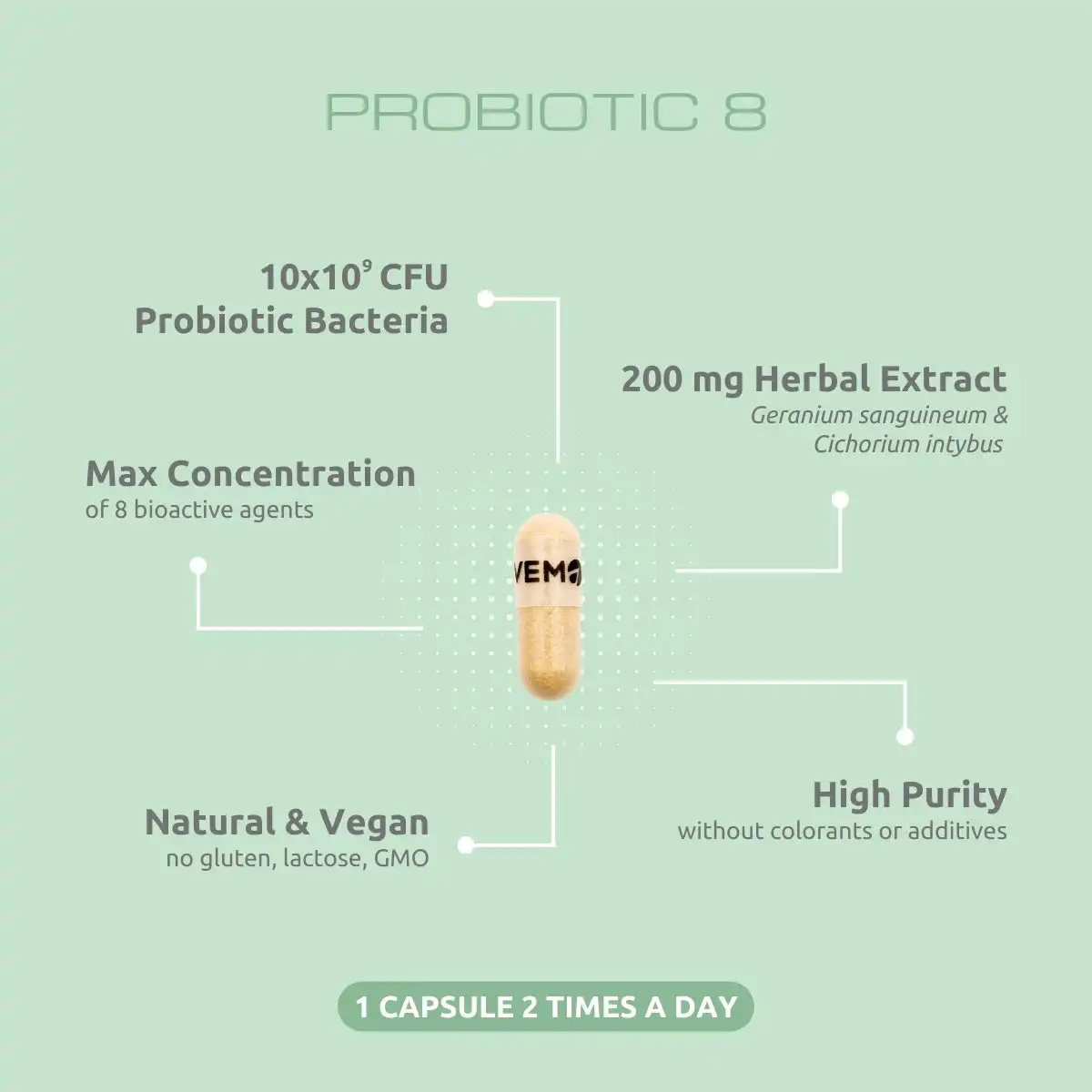
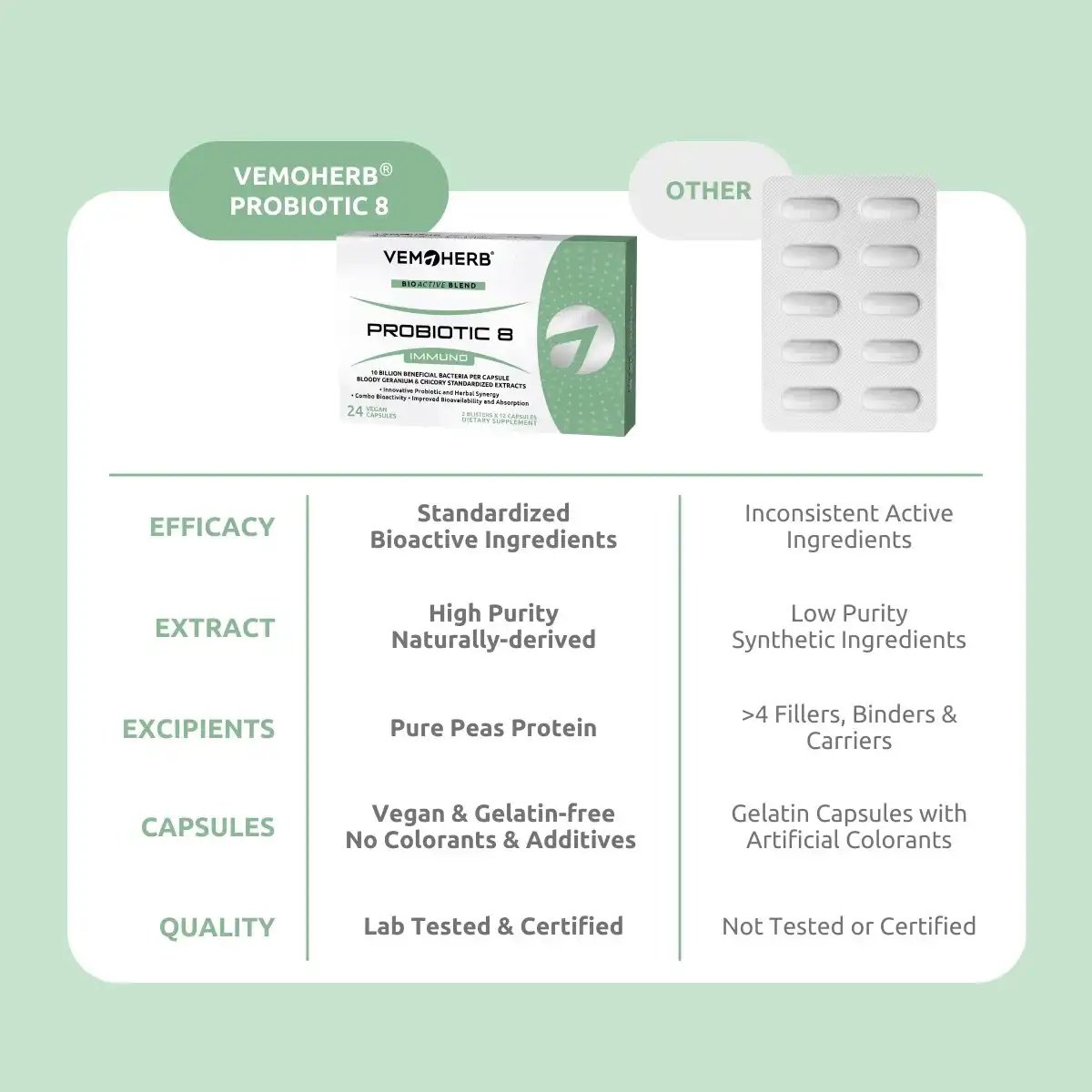
- 100% naturale
- no GMO
- senza conservanti
- senza coloranti
- nsenza zuccheri aggiunti
- adatto ai vegani: i batteri benefici di ProbBotiC 8 Immuno vengono coltivati su speciali brodi vegetali biologici
- può essere utilizzato da persone con intolleranza agli allergeni – non contiene lattosio, glutine o semi di soia
Offerta speciale
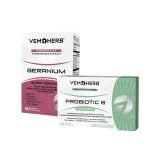
La combinazione di VemoHerb® ProBiotiC 8 Immuno + VemoHerb® Geranium supporta il sistema immunitario e la microflora intestinale. Inoltre aiuta il corpo a liberarsi dalle tossine e aiuta a mantenere l’integrità cellulare! Se vuoi sfruttare i vantaggi unici dei nostri integratori alimentari, puoi scegliere lo speciale pacchetto PROMO VemoHerb® Geranium e VemoHerb® ProBiotiC 8 Immuno.
Che cos’è esattamente un probiotico?
Il nome del “probiotico” (dal greco) significa letteralmente “per la vita”. L’Organizzazione Mondiale della Sanità definisce i probiotici come “microrganismi vivi che, se somministrati in quantità adeguate, conferiscono un beneficio per la salute all’ospite” (WHO, 2002). * I probiotici sono microrganismi vivi, che supportano il normale equilibrio della microflora intestinale. * Alcuni dei I migliori probiotici sono i lattobacilli – supportano il normale equilibrio intestinale e aiutano la digestione. * I probiotici hanno un effetto positivo sulla salute generale. * Aiutano la normale digestione. * I probiotici hanno un’azione sinergica con diverse vitamine e supportano il sistema immunitario attaccando il microrganismi dannosi. * I probiotici, assunti con il cibo, riescono naturalmente a renderlo fonte di buona salute. * In questo modo, facilitano l’organismo a gestire quando si manifesta una condizione sfavorevole. *
Al giorno d’oggi, i probiotici sono ampiamente utilizzati nelle diete equilibrate e nello stile di vita sano. Ti aiuteranno a ottenere un’alimentazione sana e una buona salute. *
Curiosità sui probiotici e sugli estratti di geranio e cicoria: *
- Secondo uno studio sull’aspettativa di vita, il maggior numero di centenari conosciuti si trova nei Balcani e in particolare in Bulgaria, un fatto che suscita l’interesse degli scienziati. Dopo numerosi colloqui con gli anziani, si scopre che tutti iniziano la giornata con un bicchiere di yogurt. Lo yogurt non si differenzia molto dal latte fresco, tranne per il fatto che contiene acido lattico e batteri lattici: è un prodotto della fermentazione dell’acido lattico. Nel loro lavoro, gli scienziati hanno scoperto che, grazie alla dieta, ricca di contenuto naturale di lattobacilli e acido lattico, gli anziani creano indirettamente condizioni favorevoli per lo sviluppo di batteri “buoni” – i probiotici
- Come ottenere i probiotici senza latte?
Si scopre che i probiotici possono crescere nel mezzo del latte, ma non solo. Tutti noi amiamo i sottaceti, ma sai che sono fatti con cetriolo fresco utilizzando gli stessi batteri lattici “buoni”? Coltiviamo ceppi probiotici altamente attivi appositamente selezionati su brodi bio-vegetali, producendo così un probiotico completamente vegano con molteplici applicazioni
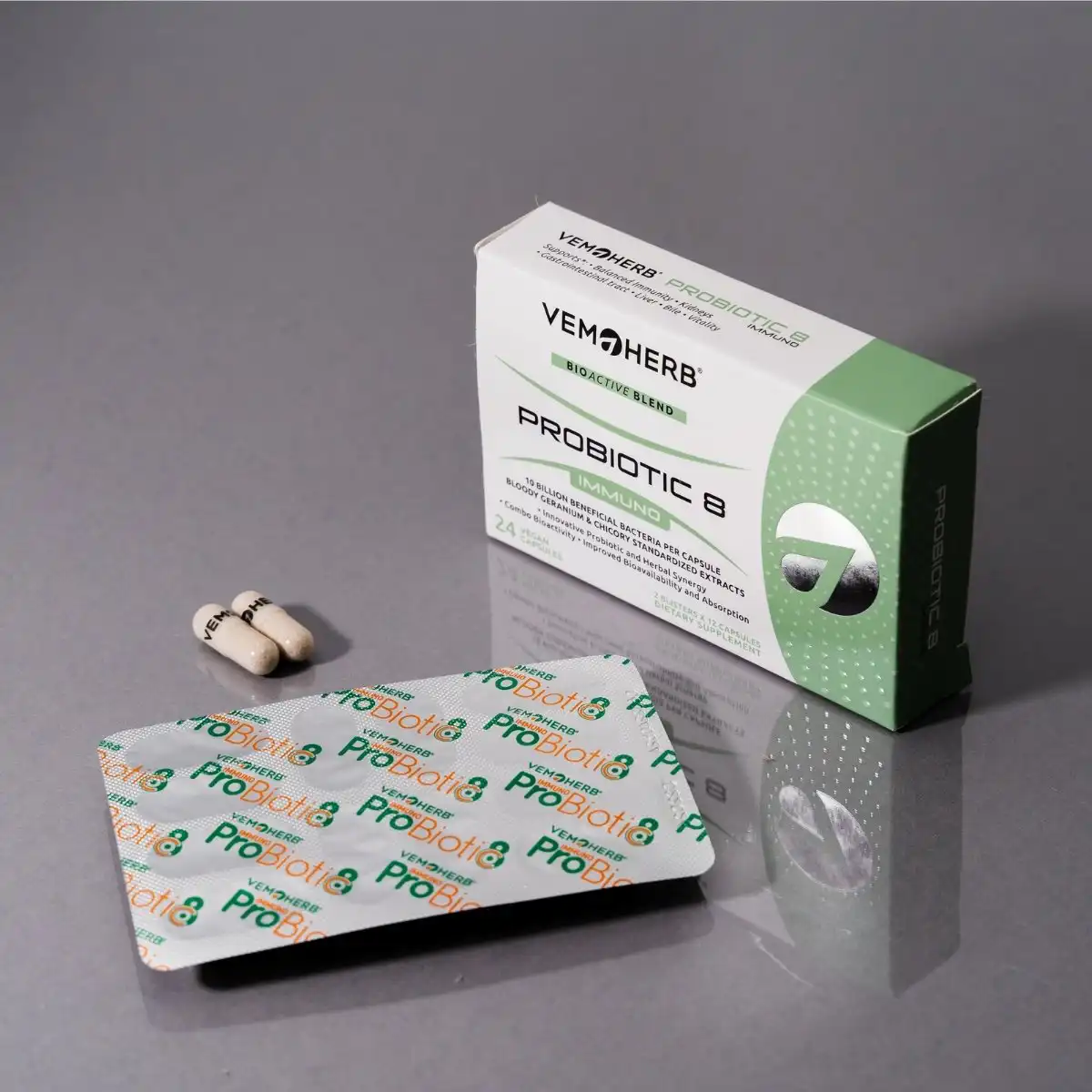
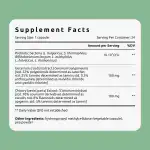
La confezione contiene
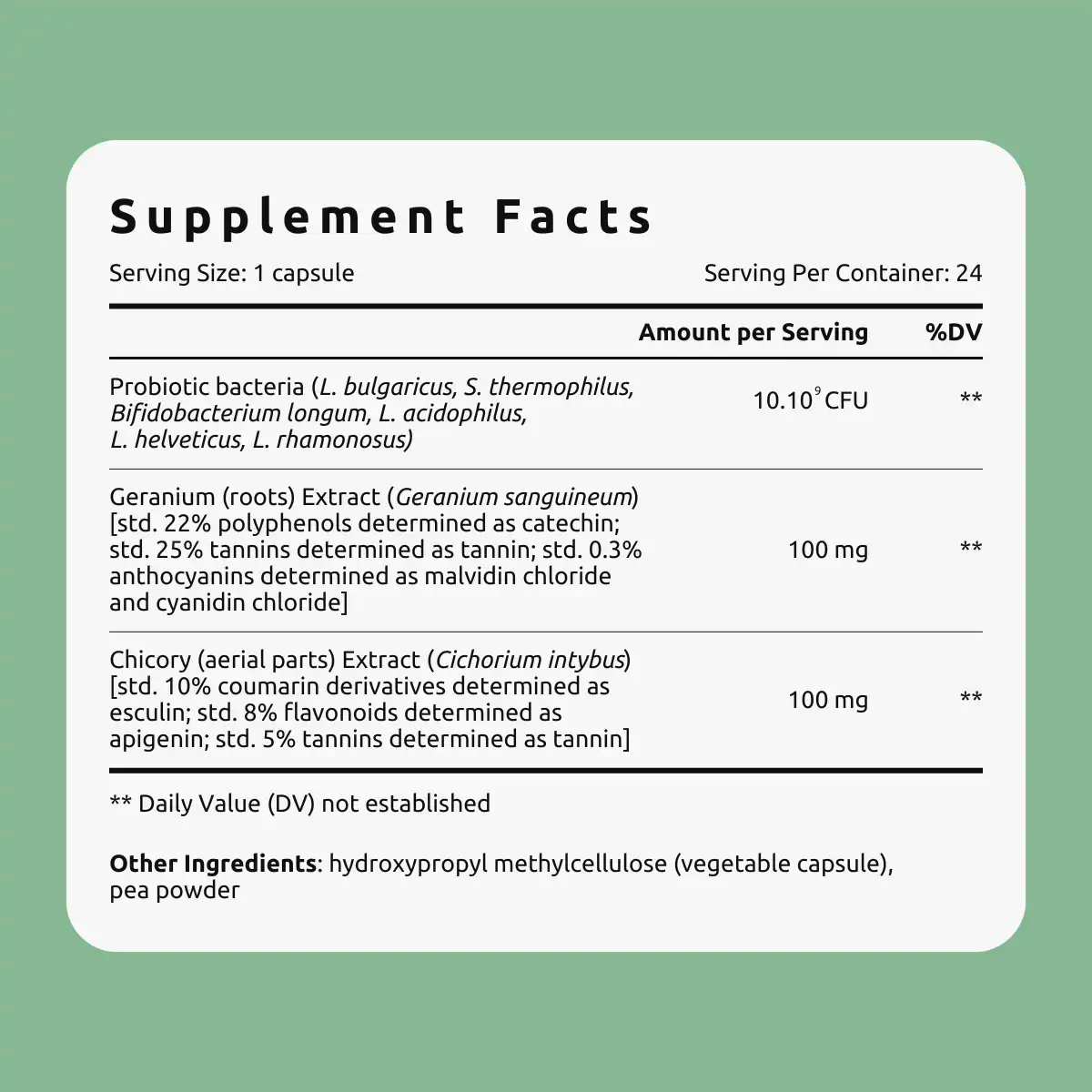
24 capsule vegane
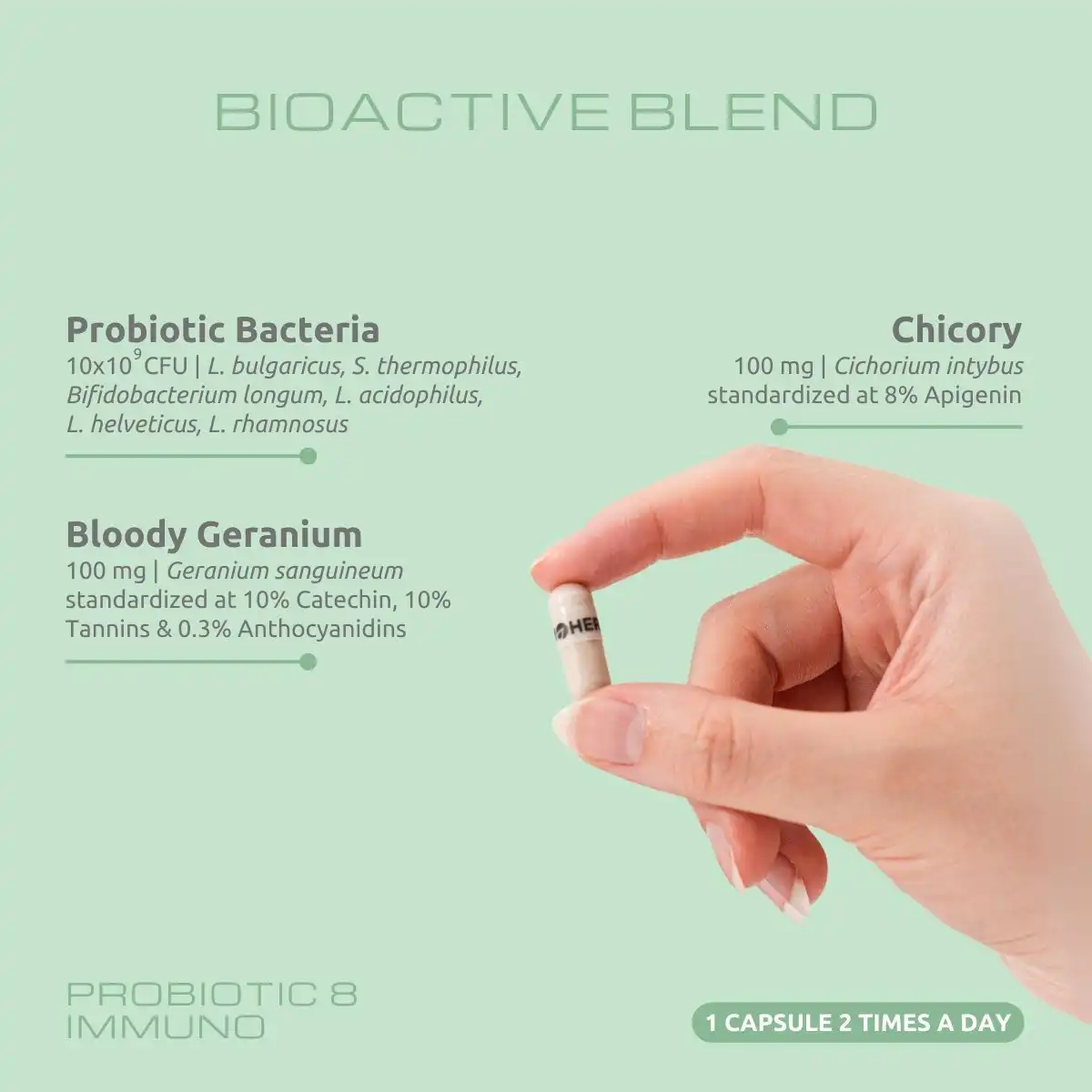
Principi attivi in una capsula
10х109 CFU batteri probiotici (L. bulgaricus, S. thermophilus, Bifidobacterium longum, L. acidophilus, L. helveticus, L. rhamnosus); 100 mg di estratto secco di Geranio (Geranium sanguineum), standardizzato al 10% minimo di polifenoli, determinato come catechina, minimo 10% di tannini e minimo 0,3% di antocianidine, determinato come somma di malvidina cloruro e cianidina cloruro; 100 mg di estratto secco di Cicoria (Cichorium intybus), standardizzato a min. 8% di flavonoidi, determinati come apigenina; Cumarine al 10%, determinate come esculina; e min. 5% di composti tannici, determinati come tannino.

Dose giornaliera consigliata
1 capsula 2 volte al giorno

Istruzioni per l’uso
Assumere tra i pasti o come indicato sull’etichetta.
Maggiori informazioni sulla giusta assunzione e ciclismo, puoi trovare QUI.
Il prodotto è un integratore alimentare non un farmaco medico. Il prodotto non sostituisce una dieta variata. Non superare la dose giornaliera consigliata. Non è raccomandato per donne incinte, che allattano e bambini!
Fatti curiosi:
- I probiotici sono microrganismi vivi a beneficio della salute umana, ad esempio sono coinvolti nello sviluppo del sistema immunitario intestinale, nella digestione, nella produzione di acidi grassi a catena corta e vitamine.
- Lo stress e la cattiva alimentazione portano all’esposizione del corpo alle tossine e possono diminuire il numero dei batteri benefici.
- Ognuno ha la propria popolazione di microrganismi che popolano la pelle, il naso, la bocca, le viscere e altri organi.
- Ci sono circa 10 volte più batteri delle cellule umane nel nostro corpo.
- Si stima che ci siano più di 400 diversi tipi di probiotici nel nostro corpo
- I probiotici sono responsabili di oltre il 70% della risposta immunitaria del corpo
- I probiotici hanno un effetto sull’equilibrio ormonale nelle donne
- I probiotici non sono solo per l’uomo, ma anche per gli animali
- Un miele dal contenuto specifico si ottiene dalla pianta Geranium sanguineum
- La cicoria è usata nei cosmetici a casa – per capelli belli e sani
- La cicoria trova applicazione in cucina in alcuni paesi.
References:
1. Rowland, I. (1999). Probiotics and benefits to human health – the evidence in favour.
Rowland, I. (1999). Probiotics and benefits to human health – the evidence in favour
2. Million, M., & Raoult, D. (2013). Species and strain specificity of Lactobacillus probiotics effect on weight regulation.
Certain strains of Lactobacillus appear to have a reproducible effect on weight as a weight-gain effect in lean humans and animals or a weight-loss effect in overweight/obese humans and animals. These results are completely sufficient to capture the attention of the scientific community to assess the effect on the weight of Lactobacillus-containing probiotics sold for human consumption.
3. Perdigon, G., Alvarez, S., Rachid, M., Agüero, G., & Gobbato, N. (1995). Immune System Stimulation by Probiotics.
The immune system consists of organs and several cell types. Antigen interaction with these cells induces a cellular immune response mediated by activated cells and a humoral immune response mediated by antibodies. The cellular interactions are enhanced by adhesion molecules, and the activated cells release different cytokines. These complex cellular interactions induce a systemic immune response. If the antigen penetrates by the oral route, a secretory immune response is obtained, which is mediated by secretory IgA. The determination of the number of T or B cells, the quantitative or qualitative measure of the cytokines, antibody levels, or the study of cellular function such as phagocytic activity is used to evaluate the state of the immune system. The effects of lactic acid bacteria on the systemic immune response and on the secretory immune system are described. Potential health benefits of lactic acid bacteria include protection against enteric infections, use as an oral adjuvant, the immunopotentiator in malnutrition, and the prevention of chemically induced tumors. The results showed that Lactobacillus case could prevent enteric infections and stimulate secretory IgA in malnourished animals, but could produce bacteria translocation. Yogurt could inhibit the growth of intestinal carcinoma through increased activity of IgA, T cells, and macrophages.
4. Murzakhmetova, M., Moldakarimov, S., Tancheva, L., Abarova, S., & Serkedjieva, J. (2008). Antioxidant and prooxidant properties of a polyphenol-rich extract from Geranium sanguineum L. in vitro and in vivo .
A polyphenol-rich extract from Geranium sanguineum L. (PC) protected biological membranes due to its antioxidant capacity. PC caused a dose-dependent decrease of the osmotic hemolysis of human erythrocytes and increased their resistance against the toxic effect of H(2)O(2); no effect on catalase activity was observed. While PC reduced the accumulation of TBA-reactive products in rat liver microsomes in inducible lipid peroxidation (LPO), the non-induced LPO was not affected. Further the effect of PC on the products of LPO was investigated in the lungs, livers and sera of intact and influenza virus-infected mice (VIM). The infection enhanced LPO in the lungs and livers. In the group of PC-treated VIM, malondialdehyde (MDA) in the lungs and livers was brought to control levels. PC-treatment caused a significant increase of MDA in the lungs of intact mice, a slight one in the livers and did not affect MDA in the sera. Thus the extract exhibited prooxidant characteristics in intact animals as well as antioxidant properties in VIM. The reducing ability of PC on LPO could be an alternative mechanism of its protective effect in experimental influenza infection.
5. Koppe, L., Mafra, D., & Fouque, D. (2015). Probiotics and chronic kidney disease.
Probiotics are the focus of a thorough investigation as a natural biotreatment due to their various health-promoting effects and inherent ability to fight specific diseases including chronic kidney disease (CKD). Indeed, intestinal microbiota has recently emerged as an important player in the progression and complications of CKD. Because many of the multifactorial physiological functions of probiotics are highly strain specific, preselection of appropriate probiotic strains based on their expression of functional biomarkers is critical. The interest in developing new research initiatives on probiotics in CKD have increased over the last decade with the goal of fully exploring their therapeutic potentials. The efficacy of probiotics to decrease uremic toxin production and to improve renal function has been investigated in in vitro models and in various animal and human CKD studies. However to date, the quality of intervention trials investigating this novel CKD therapy is still lacking. This review outlines potential mechanisms of action and efficacy of probiotics as a new CKD management tool, with a particular emphasis on uremic toxin production and inflammation.
6. Li, Z. (2003). Probiotics and antibodies to TNF inhibit inflammatory activity and improve nonalcoholic fatty liver disease.
Ob/ob mice, a model for nonalcoholic fatty liver disease (NAFLD), develop intestinal bacterial overgrowth and overexpress tumor necrosis factor alpha (TNF-alpha). In animal models for alcoholic fatty liver disease (AFLD), decontaminating the intestine or inhibiting TNF-alpha improves AFLD. Because AFLD and NAFLD may have a similar pathogenesis, treatment with a probiotic (to modify the intestinal flora) or anti-TNF antibodies (to inhibit TNF-alpha activity) may improve NAFLD in ob/ob mice. To evaluate this hypothesis, 48 ob/ob mice were given either a high-fat diet alone (ob/ob controls) or the same diet + VSL#3 probiotic or anti-TNF antibodies for 4 weeks. Twelve lean littermates fed a high-fat diet served as controls. Treatment with VSL#3 or anti-TNF antibodies improved liver histology, reduced hepatic total fatty acid content, and decreased serum alanine aminotransferase (ALT) levels. These benefits were associated with decreased hepatic expression of TNF-alpha messenger RNA (mRNA) in mice treated with anti-TNF antibodies but not in mice treated with VSL#3. Nevertheless, both treatments reduced activity of Jun N-terminal kinase (JNK), a TNF-regulated kinase that promotes insulin resistance, and decreased the DNA binding activity of nuclear factor kappaB (NF-kappaB), the target of IKKbeta, another TNF-regulated enzyme that causes insulin resistance. Consistent with treatment-related improvements in hepatic insulin resistance, fatty acid beta-oxidation and uncoupling protein (UCP)-2 expression decreased after treatment with VSL#3 or anti-TNF antibodies. In conclusion, these results support the concept that intestinal bacteria induce endogenous signals that play a pathogenic role in hepatic insulin resistance and NAFLD and suggest novel therapies for these common conditions.
7. Jonkers, D., & Stockbrügger, R. (2007). Review article: probiotics in gastrointestinal and liver diseases.
RESULTS:
Evidence for the therapeutic or preventive application of particular probiotic strains is available for antibiotic-associated diarrhoea, rota-virus-associated diarrhoea and pouchitis. Results are encouraging for irritable bowel syndrome, ulcerative colitis and for reducing side effects by Helicobacter pylori eradication therapies, but are less clear for Crohn’s disease, lactose intolerance and constipation. In general, for most of these patient groups, more placebo-controlled methodologically well-designed studies that pay attention to both clinical outcome and mechanistic aspects are required. The application in liver disease and pancreatitis is promising, but more human trials have to be awaited. Possible mechanisms of probiotics include modulation of the intestinal microbiota and the immune system, but different bacterial may have different effects.
CONCLUSION:
Further insight into disease entities and the functioning of probiotic strains is required to be able to select disease-specific strains, which have to be tested in well-designed placebo-controlled studies.
8. Gibson, G. R. (2006). From Probiotics to Prebiotics and a Healthy Digestive System.
Ingestion of probiotics can be recommended as a preventative approach to maintaining intestinal microflora balance and thereby enhance‘well-being’. Undoubtedly, probiotic bacteria will vary in their efficacy. The literature indicates positive results in over 50 human trials with prevention/treatment of infections the most frequently reported. In theory, increased levels of probiotics may induce a ‘barrier’ influence against common pathogens. Mechanisms of effect are likely to include the excretion of acids (lactate, acetate), competition for nutrients and gut receptor sites, immuno-modulation and the formation of specific antimicrobial agents. An alternative, or additional, approach is the prebiotic concept. This takes the view that probiotics are present indigenous to the gut and that a rational approach towards increasing their numbers would be to consume food ingredients (carbohydrates) that have a selective metabolism in the lower gut. A prebiotic is‘a nondigestible food ingredient that beneficially affects the host by selectively stimulating the growth and/or activity of one or a limited number of bacteria in the colon that can improve the host health.’ In particular, the ingestion of fructo-oligosac-charides, galacto-oligosaccharides, and lactulose has shown to stimulate bifidobacteria in the lower gut.
9. Wolvers, D., Antoine, J.-M., Myllyluoma, E., Schrezenmeir, J., Szajewska, H., & Rijkers, G. T. (2010). Guidance for Substantiating the Evidence for Beneficial Effects of Probiotics: Prevention and Management of Infections by Probiotics.
The rationale for the use of probiotics in the management of infectious diseases is supported by their potential to influence and stabilize the composition of gut microbiota, enhance colonization resistance, and modulate immune function parameters. A literature review was conducted to determine the efficacy of using probiotics in selected infections: 1) infectious diarrhea in infants and children, 2) traveler’s diarrhea, 3) necrotizing enterocolitis in infants, 4) Helicobacter pylori infection, 5) respiratory tract infections in adults and children, 6) ear, nose, and throat infections, and 7) infectious complications in surgical and critically ill patients. The different types of infections that have been subject to clinical studies with different probiotics obviously prevent any generic conclusions. Furthermore, the lack of consistency among studies focusing on 1 specific infection, in study design, applied probiotic strains, outcome parameters, and study population, along with the still limited number of studies, preclude clear and definite conclusions on the efficacy of probiotics and illustrate the need for better-aligned study designs and methodology. Exceptions were the management of infectious diarrhea in infants and traveler’s diarrhea, antibiotic-associated diarrhea, and necrotizing enterocolitis. Sufficient consistent data exist for these applications to conclude that certain probiotics, under certain conditions, and in certain target populations, are beneficial in reducing the risk of infection. In addition, some evidence exists, although conclusions are premature, for the management of Helicobacter pylori infection and possible reduction of treatment side effects. Certain probiotics may also reduce the risk of various symptoms of respiratory tract infections in adults and children, including ear, nose, and throat infections, although data are currently far too limited to distill any clinical recommendations in this area. Positive but also negative results have been obtained in prevention of infectious complications in surgical and critically ill patients. For future studies it is recommended that researchers provide adequate power, identify pathogens, and report both clinical outcomes and immune biomarkers relating to putative underlying mechanisms.
10. Ooi, L.-G., & Liong, M.-T. (2010). Cholesterol-Lowering Effects of Probiotics and Prebiotics: A Review of in Vivo and in Vitro Findings.
Probiotics are live microorganisms that promote health benefits upon consumption, while prebiotics are nondigestible food ingredients that selectively stimulate the growth of beneficial microorganisms in the gastrointestinal tract. Probiotics and/or prebiotics could be used as alternative supplements to exert health benefits, including cholesterol-lowering effects on humans. Past in vivo studies showed that the administration of probiotics and/or prebiotics are effective in improving lipid profiles, including the reduction of serum/plasma total cholesterol, LDL-cholesterol and triglycerides or increment of HDL-cholesterol. However, other past studies have also shown that probiotics and prebiotics had insignificant effects on lipid profiles, disputing the hypocholesterolemic claim. Additionally, little information is available on the effective dosage of probiotics and prebiotics needed to exert hypocholesterolemic effects. Probiotics and prebiotics have been suggested to reduce cholesterol via various mechanisms. However, more clinical evidence is needed to strengthen these proposals. Safety issues regarding probiotics and/or prebiotics have also been raised despite their long history of safe use. Although probiotic-mediated infections are rare, several cases of systemic infections caused by probiotics have been reported and the issue of antibiotic resistance has sparked much debate. Prebiotics, classified as food ingredients, are generally considered safe, but overconsumption could cause intestinal discomfort. Conscientious prescription of probiotics and/or prebiotics is crucial, especially when administering to specific high risk groups such as infants, the elderly and the immuno-compromised.
11. Ruan, Y., Sun, J., He, J., Chen, F., Chen, R., & Chen, H. (2015). Effect of Probiotics on Glycemic Control: A Systematic Review and Meta-Analysis of Randomized, Controlled Trials.
RESULTS:
Seventeen randomized controlled trials were included, in which 17 fasting blood glucose (n = 1105), 11 fasting plasma insulin (n = 788), 8 homeostasis model assessment of insulin resistance (n = 635) comparisons were reported. Probiotic consumption, compared with placebo, significantly reduced fasting glucose (MD = -0.31 mmol/L; 95% CI 0.56, 0.06; p = 0.02), fasting plasma insulin (MD = -1.29 μU/mL; 95% CI -2.17, -0.41; p = 0.004), and HOMA-IR (MD = 0.48; 95% CI -0.83, -0.13; p = 0.007).
CONCLUSIONS:
Probiotic consumption may improve glycemic control modestly. Modification of gut microbiota by probiotic supplementation may be a method for preventing and control hyperglycemia in clinical practice.
12. Gratz, S. W. (2010). Probiotics and gut health: A special focus on liver diseases.
Probiotic bacteria have well-established beneficial effects in the management of diarrhoeal diseases. Newer evidence suggests that probiotics have the potential to reduce the risk of developing inflammatory bowel diseases and intestinal bacterial overgrowth after gut surgery. In liver health, the main benefits of probiotics might occur through preventing the production and/or uptake of lipopolysaccharides in the gut, and therefore reducing levels of low-grade inflammation. Specific immune stimulation by probiotics through processes involving dendritic cells might also be beneficial to the host immunological status and help prevent pathogen translocation. Hepatic fat metabolism also seems to be influenced by the presence of commensal bacteria, and potentially by probiotics; although the mechanisms by which probiotic might act on the liver are still unclear. However, this might be of major importance in the future because low-grade inflammation, hepatic fat infiltration, and hepatitis might become more prevalent as a result of high fat intake and the increased prevalence of obesity.
13. Ivancheva, S., Manolova, N., Serkedjieva, J., Dimov, V., & Ivanovska, N. (1992). Polyphenols from Bulgarian Medicinal Plants with Anti-Infectious Activity.
Three Bulgarian medicinal plants–Geranium macrorrhizum L. and G. sanguineum L. (Geraniaceae), and Epilobium hirsutum L. (Onagraceae) were analyzed phytochemically. Different polyphenols like flavonoids and tannis have been found to be principal constituents of the plants. A series of water or alcohol extracts was obtained, and their anti-infectious activity was tested. A significant inhibitory effect of water-alcohol extract and of four fractions from the polyphenolic mixture of E. hirsutum on the reproduction of influenza viruses in vitro, in ovo, and in vivo was established. Four extracts from G. macrorrhizum and three extracts from G. sanguineum were studied for in vitro inhibition of the growth of some Gram-negative bacteria (Klebsiella pneumoniae, Proteus vulgaris, Escherichia coli, Pseudomonas aeruginosa), Gram-positive bacterium (Staphylococcus aureus), and fungus (Candida albicans). Some geranium extracts caused a strong increase of the survival rate in an infection with K. pneumoniae in mice. Augmentation of the nonspecific host resistance in relation to the influence of the extracts on the classical complement activation pathway was also studied.
14. Street, R. A., Sidana, J., & Prinsloo, G. (2013). Cichorium intybus: Traditional Uses, Phytochemistry, Pharmacology, and Toxicology.
The genus Cichorium (Asteraceae) is made up of six species with major geographical presence in Europe and Asia. Cichorium intybus, commonly known as chicory, is well known as a coffee substitute but is also widely used medicinally to treat various ailments ranging from wounds to diabetes. Although this plant has a rich history of use in folklore, many of its constituents have not been explored for their pharmacological potential. Toxicological data on C. intybus is currently limited. This review focuses on the economic and culturally important medicinal uses of C. intybus. Traditional uses, scientific validation, and phytochemical composition are discussed in detail.
| *These statements have not been evaluated by the Food and Drug Administration. This product is not intended to diagnose, treat, cure or prevent any disease. |
Prodotti correlati

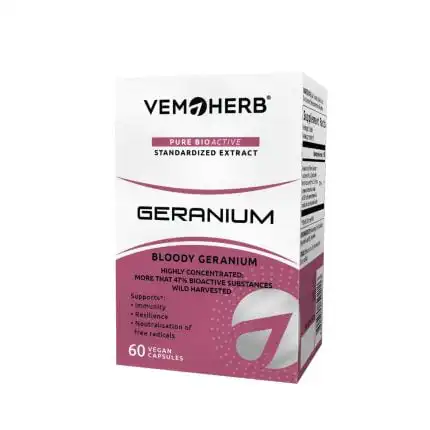
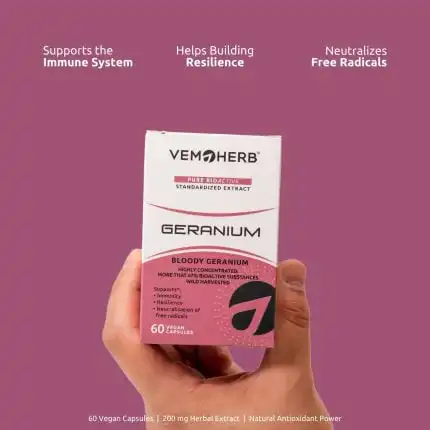
VemoHerb Geranium
19,90 €

VemoHerb Bulgarian Tribulus Maxx
38,90 €

VemoHerb Muscle Kick
47,90 €

VemoHerb Turkesterone
49,90 €
VemoHerb Guggulsterone
38,90 €
VemoHerb Rhodiola Rosea
34,90 €

Recensioni
Ancora non ci sono recensioni.